By Steve Laser
Toyota is expanding its lineup of mini commercial vehicles in Japan with the new, all-electric Pixis Van BEV. Two generations of Pixis Vans, introduced in 2011 and 2021, have been powered by Kei-class 660cc gas engines. Customers now have the choice of gas or fully electric models.
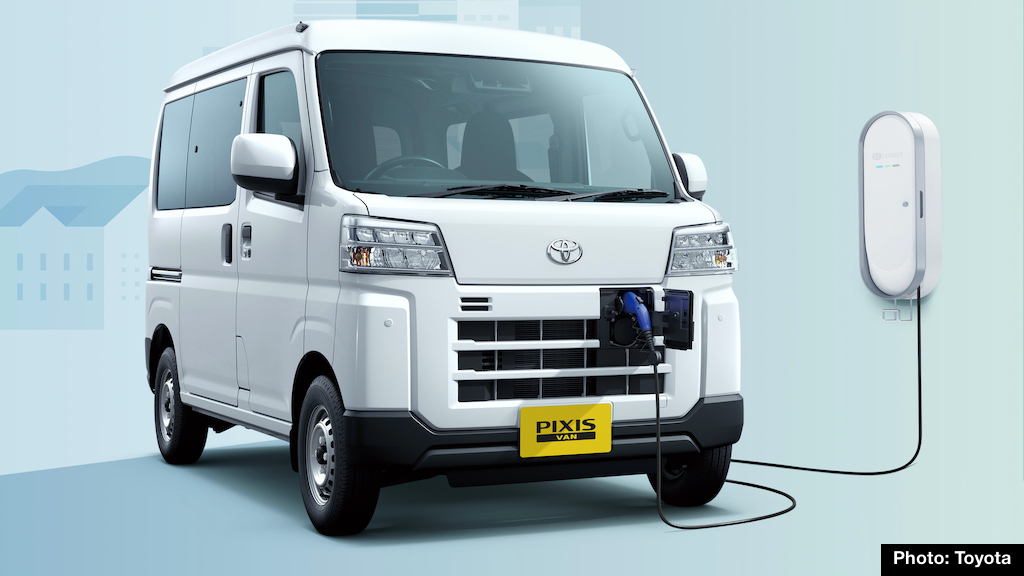 Pixis vehicles, including the Van, Truck, and Epoch, are built by Daihatsu, a subsidiary of Toyota. Meanwhile, Daihatsu is introducing its own new EVs, called the e-Hijet Cargo and e-Atrai. The BEV system is jointly developed by Daihatsu, Suzuki, and Toyota, with the latter sharing its extensive experience with electrification technologies.
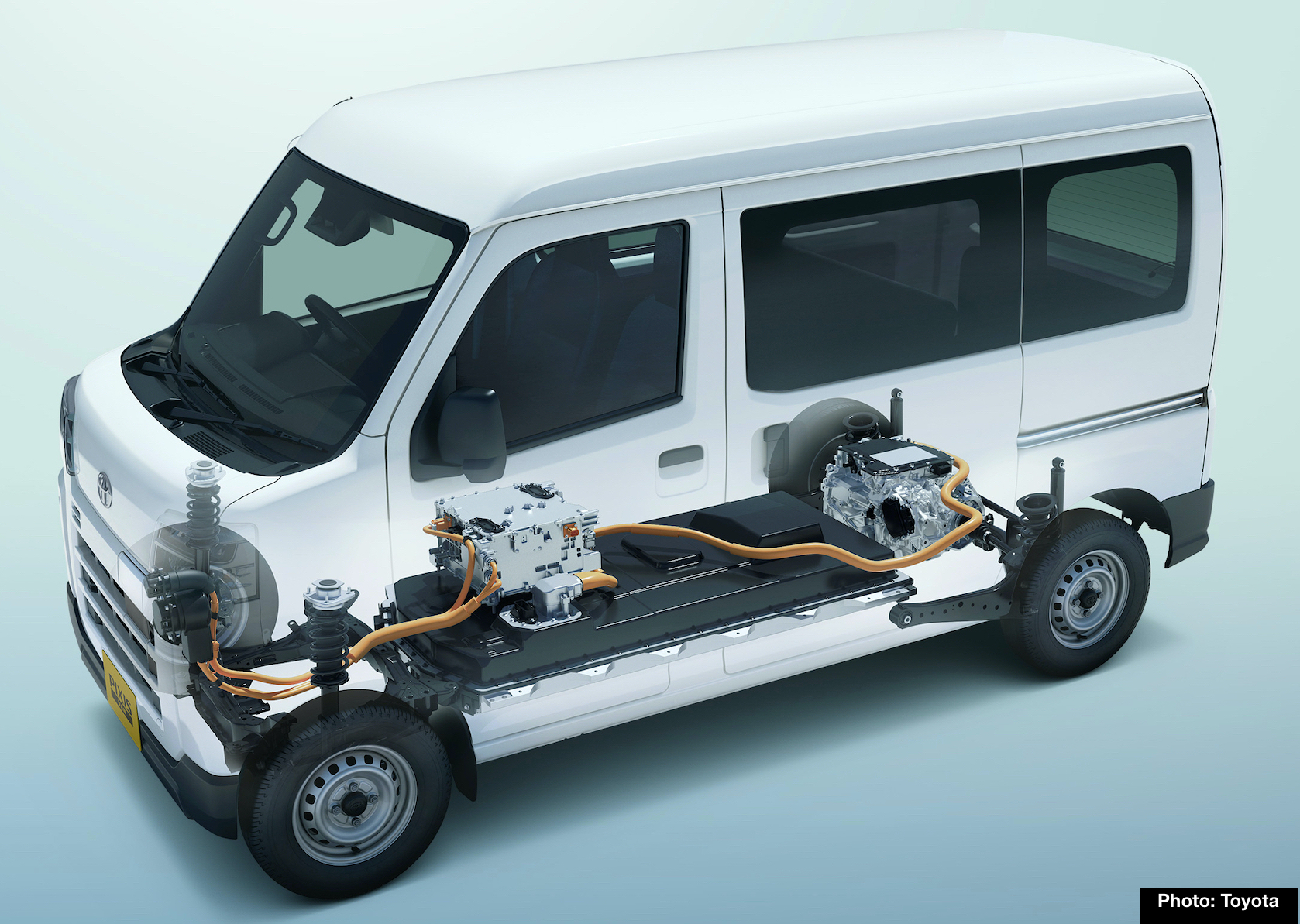 The Pixis Van BEV Deluxe is fitted with the e-SMART ELECTRIC™ BEV system. Components include a rear-drive e-Axle, integrated AC synchronous motor, inverter, reduction gear, and 36.6 kWh lithium-ion battery. Output is rated at 47 kW and 126 Nm torque, with an estimated cruising range of 257 km (in WLTC mode).
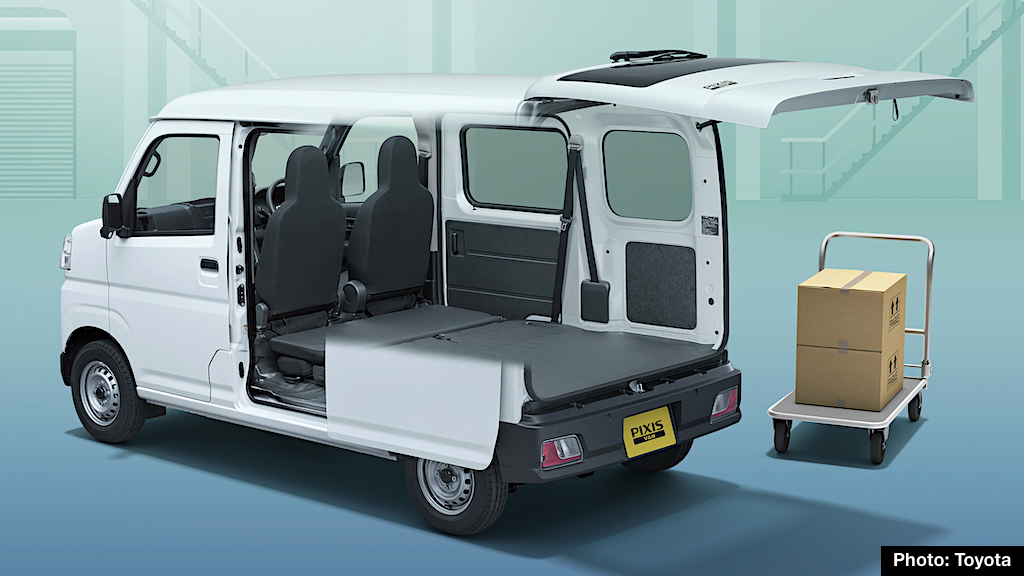 With the thin battery located under the floor, Pixis Van BEV offers plenty of room for cargo. Cargo space is said to be equivalent to the van’s gas-engine model. Bulky cargo can be loaded via the sliding side doors, or at the rear with a swing-up tailgate.
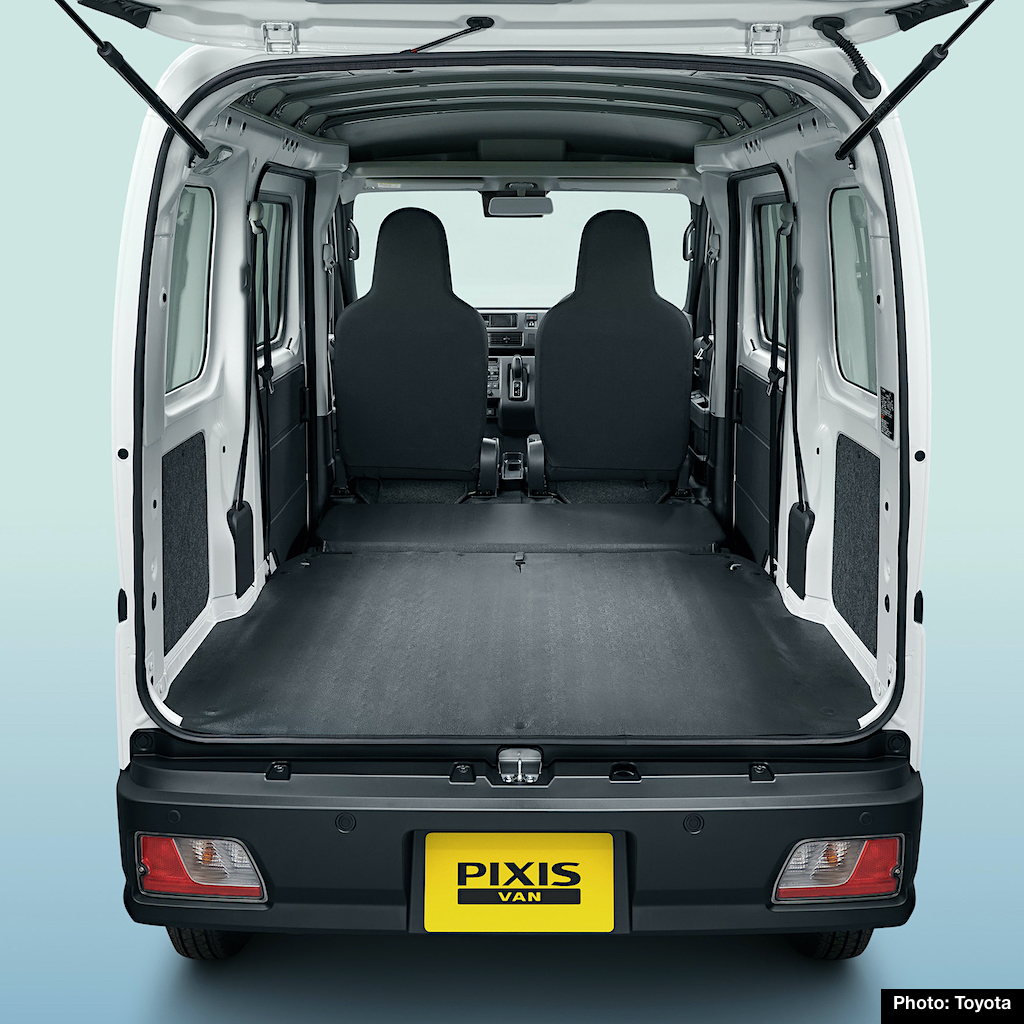 The above view, offering a different angle on the load space, shows the full-length flat floor with the rear seat folded down. Kei commercial vehicles are very popular in Japan, with compact exteriors and spacious interiors welcomed by fleet and individual business users.
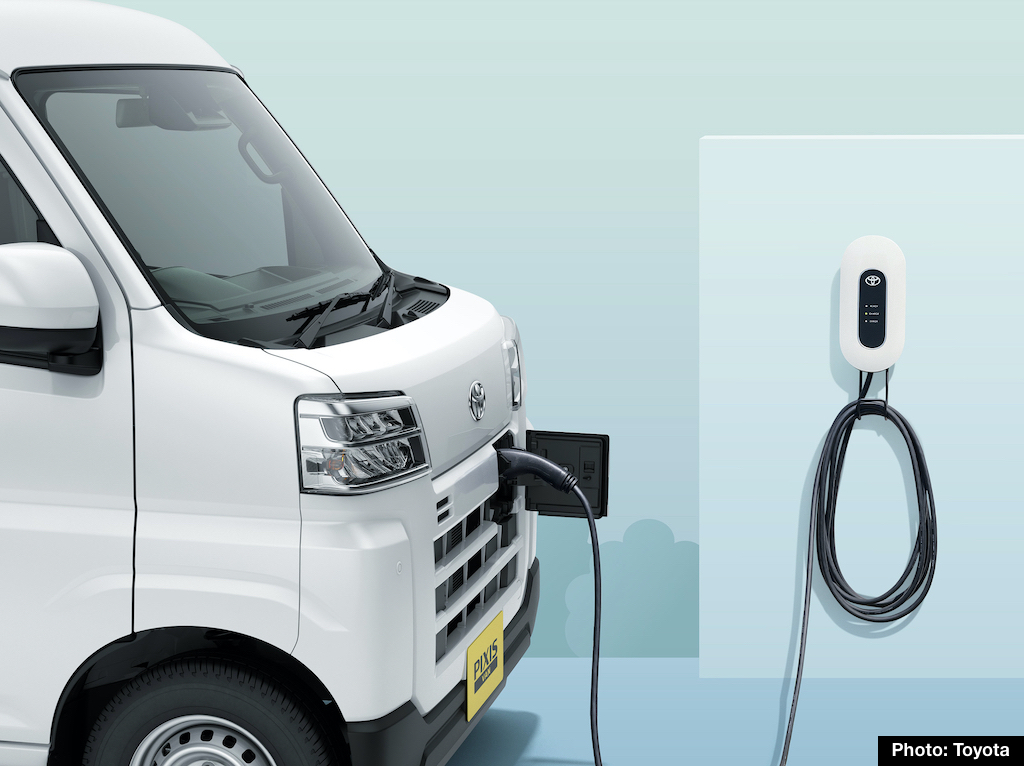 While charging times vary, a rapid charging station with an output of 50kW or higher is said to charge the Pixis Van BEV in about 50 minutes from low to 80 percent. A home-style 6kW charger, available as a dealer option (above), offers the convenience of overnight charging (about six hours).
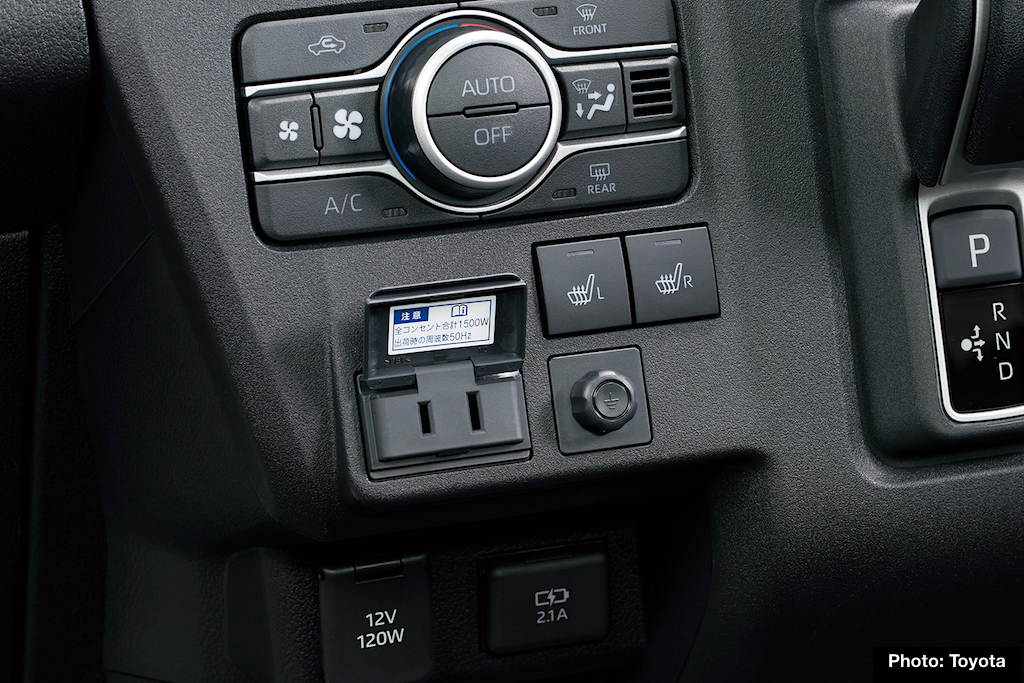 An external 1,500W (AC 100V) power supply is standard. Conveniently located on the lower instrument panel, it can charge things like electric power tools. It’s also said to be compatible with a Vehicle to Home (V2H) system. With a separately available V2H device, it can transfer power from the van’s battery to a home for household electricity.
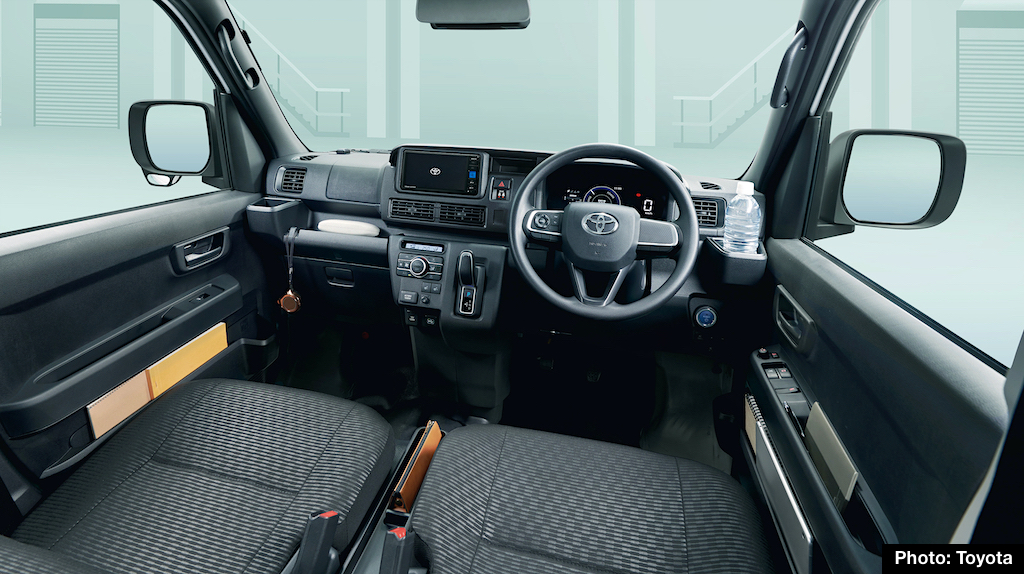 Standard features include automatic air conditioning, a multi-information display for the driver, USB ports, and Smart Assist safety features. Option packages can add features like keyless entry, power-retractable outside mirrors, and a smart interior mirror. Dealer-installed accessories include a navigation system, dashcam, and ETC2.0 unit.
Pixis vans are built at the Daihatsu Motor Kyushu Co., Ltd. Oita (Nakatsu) Plant No. 1
Note: Features and specifications for Japan market models are subject to change without notice.
News sources courtesy of Toyota Motor Corp., and Daihatsu Motor Co., Ltd. Photos courtesy of Toyota Motor Corp.
Story (commentary) © 2026 CarNichiWa.com